Room I of XII
Classical
The grammar of columns, beams and pediments that Greek temple builders set down and Rome carried across an empire. Almost every later style either borrows it or argues with it.
How to spot it from the street
- Columns carry a straight beam, the entablature
- A low triangular pediment over the front
- Mouldings run in horizontal bands
- Strict symmetry about the door
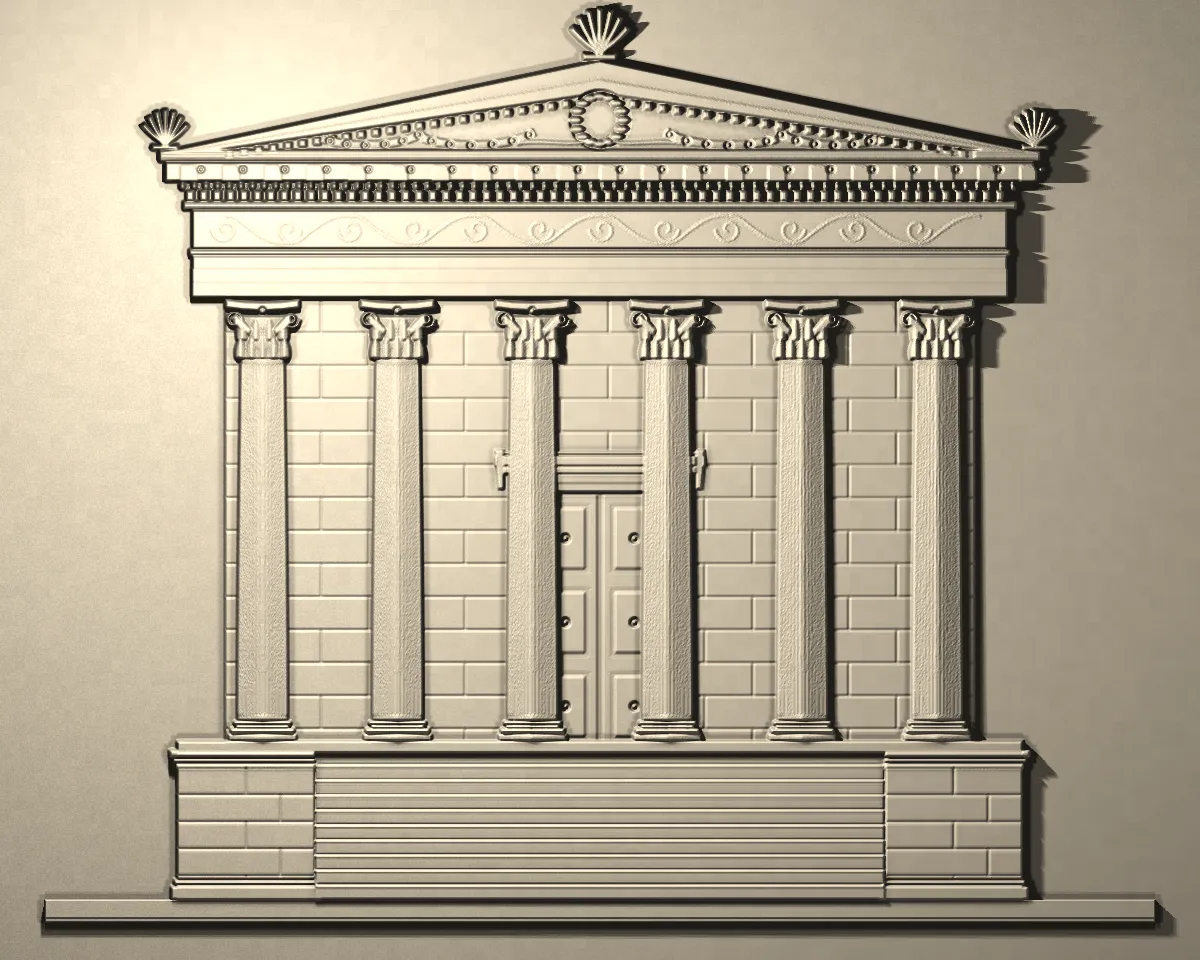
Move the lamp with your pointer · point at a detail to read its label · ← → to change style
Four questions for any façade
- What holds it up? Thick walls (Romanesque), buttresses (Gothic), columns and beams (Classical), a hidden frame (Modernism) or a frame on show (High-Tech)?
- What shape are the arches? Round, pointed, curved like a plant, or none at all?
- Where is the ornament, and what is it? Acanthus and pediments, flowers and whiplashes, zigzags and sunbursts, board marks in raw concrete, or nothing?
- Is it calm or in motion? Strict symmetry (Renaissance, Neoclassicism), swelling toward the centre (Baroque), or broken on purpose (Postmodernism)?
The rooms
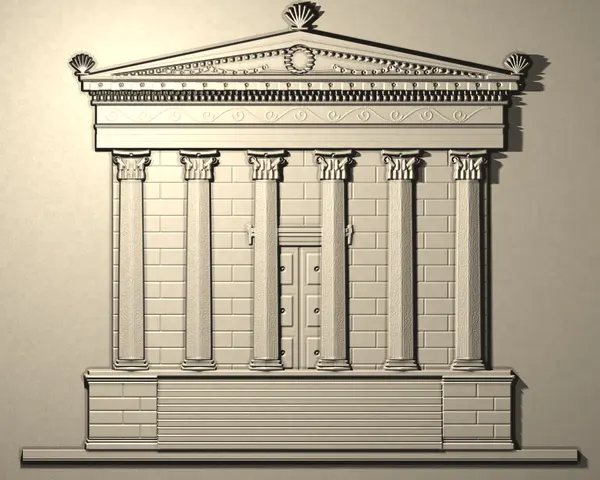 IClassicalc. 600 BC – AD 400
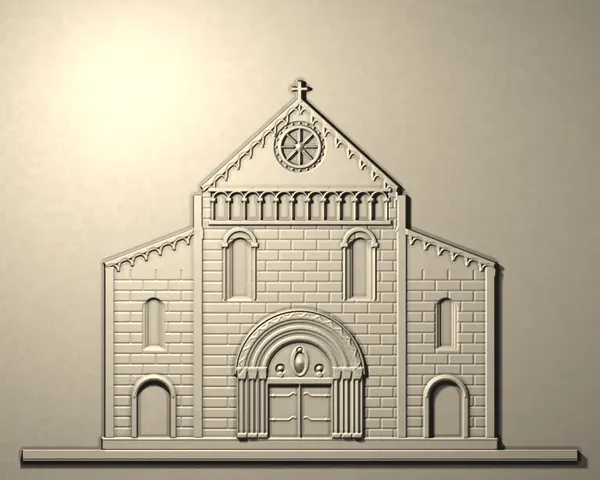 IIRomanesquec. 1000 – 1200
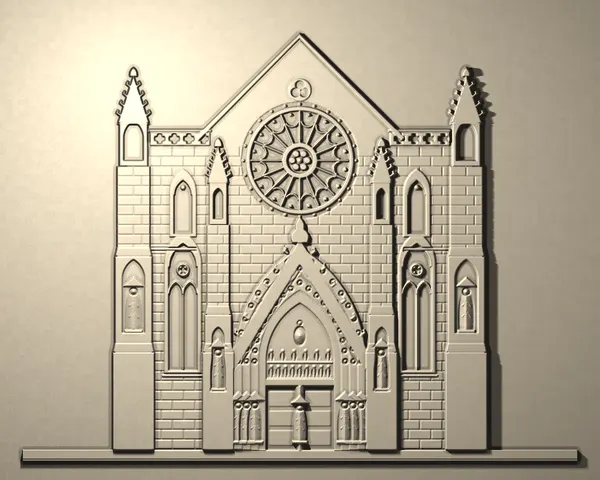 IIIGothicc. 1140 – 1520
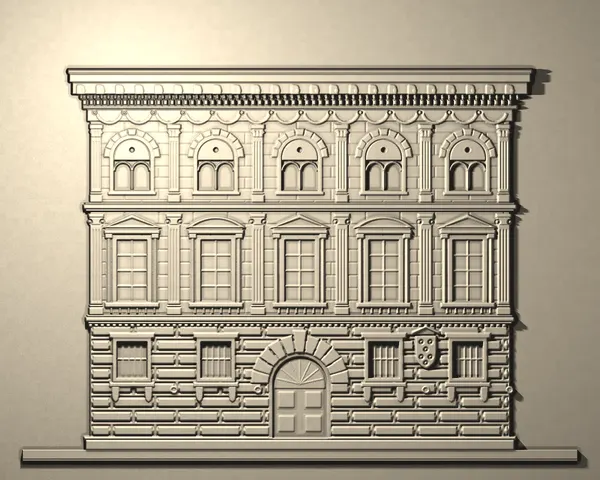 IVRenaissancec. 1400 – 1600
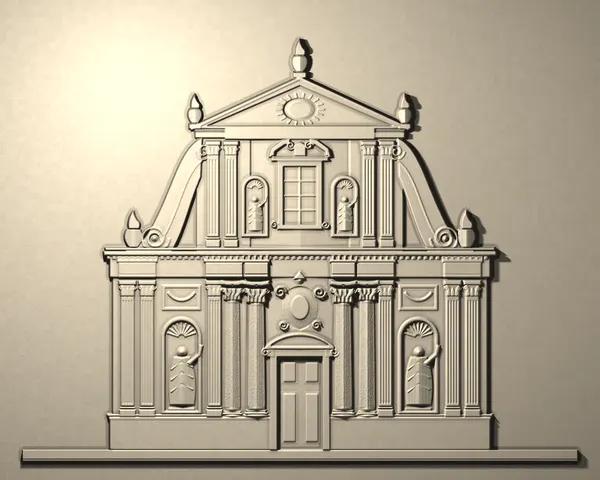 VBaroquec. 1600 – 1750
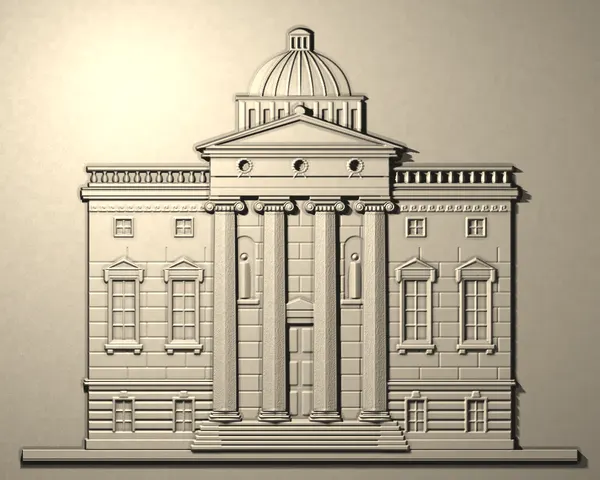 VINeoclassicismc. 1750 – 1850
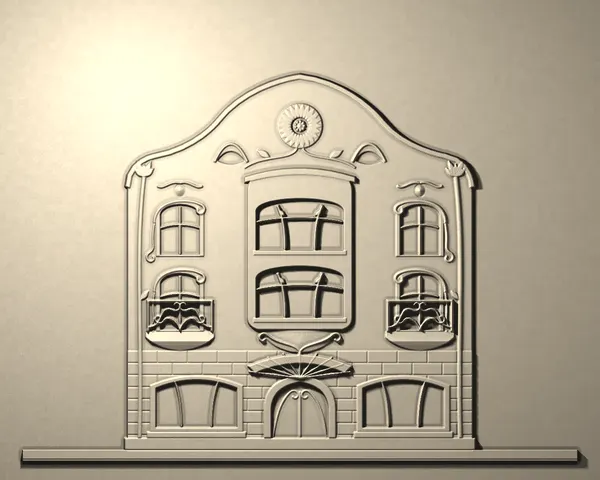 VIIArt Nouveauc. 1890 – 1910
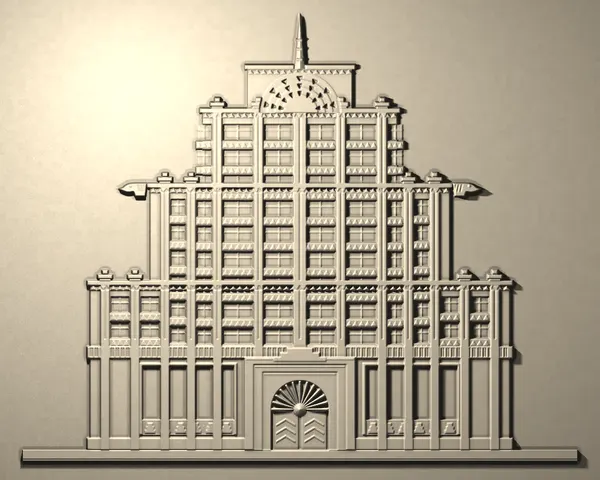 VIIIArt Decoc. 1910 – 1940
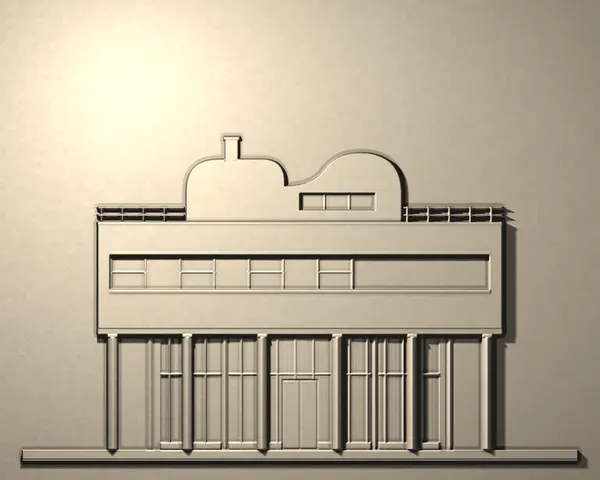 IXModernismc. 1920 – 1970
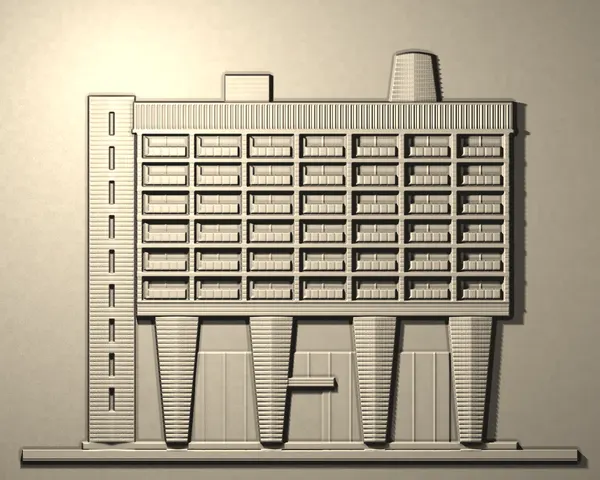 XBrutalismc. 1950 – 1980
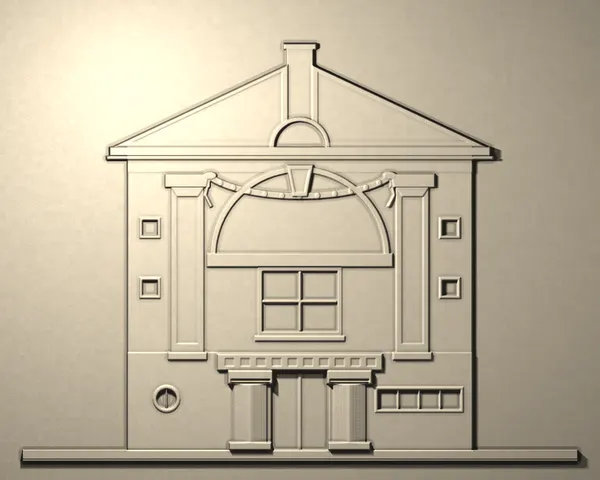 XIPostmodernismc. 1965 – 1995
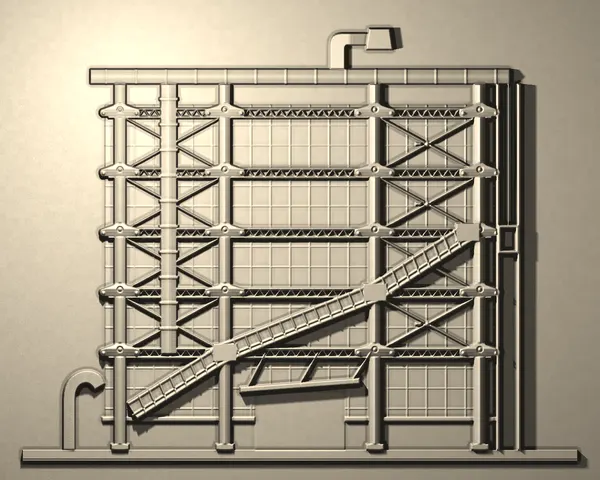 XIIHigh-Techc. 1970 – 2000s